
Delicate, hand-pinched Piedmontese pasta filled with rich slow-cooked duck confit, bathed in a glossy black truffle and brown butter emulsion, and finished with toasted Piedmont hazelnuts.
Ingredients
Cooking Instructions
- 01
On a clean marble work surface, mound the Tipo 00 flour and create a deep well in the center. Add the 12 egg yolks and 1 whole egg into the well.
- 02
Using a fork, gently whisk the eggs, gradually incorporating flour from the inner walls of the well until a thick paste forms. Knead the remaining flour in by hand until a cohesive dough forms. Knead vigorously for 10 minutes until smooth and elastic. Wrap tightly in plastic wrap and rest at room temperature for 30 minutes.
- 03
In a food processor, pulse the shredded duck confit, mascarpone, Parmigiano-Reggiano, and a pinch of freshly grated nutmeg until a smooth, pliable paste forms. Season with salt and pepper to taste. Transfer the filling to a pastry bag with a plain round tip and refrigerate until needed.
- 04
Divide the pasta dough into four portions. Keep covered what you are not using. Roll one portion through a pasta machine, starting at the widest setting and progressively going down to the thinnest setting (typically level 8 or 9) until translucent. Lay the sheet flat on a lightly floured surface.
- 05
Pipe small hazelnut-sized mounds of filling along the bottom half of the pasta sheet, leaving a 1.5 cm gap between each. Fold the top half of the pasta sheet over the filling. Press the dough firmly around each mound of filling to expel any trapped air, creating a tight seal.
- 06
Pinch the dough between each pocket of filling to create the classic 'plin' shape. Using a fluted pasta cutter wheel, cut along the top of the folded dough, then cut vertically between each pinched pocket to separate the agnolotti. Transfer to a tray dusted with semolina.
- 07
In a large skillet over medium-high heat, bring the veal demi-glace to a simmer. Reduce the heat to low and whisk in the chilled cubes of butter one by one to create a glossy, emulsified sauce. Stir in the black truffle paste and season with a pinch of salt. Keep warm.
- 08
Cook the agnolotti in a large pot of boiling, salted water for 2 to 3 minutes until they float and are tender. Using a slotted spoon, transfer the pasta directly into the truffle butter emulsion, tossing gently to coat for 1 minute.
- 09
Plate the agnolotti immediately, spooning the luxurious emulsion over them. Garnish with crushed toasted hazelnuts, freshly shaved black truffle (optional), and micro-herbs. Serve immediately.
Cooking Reviews
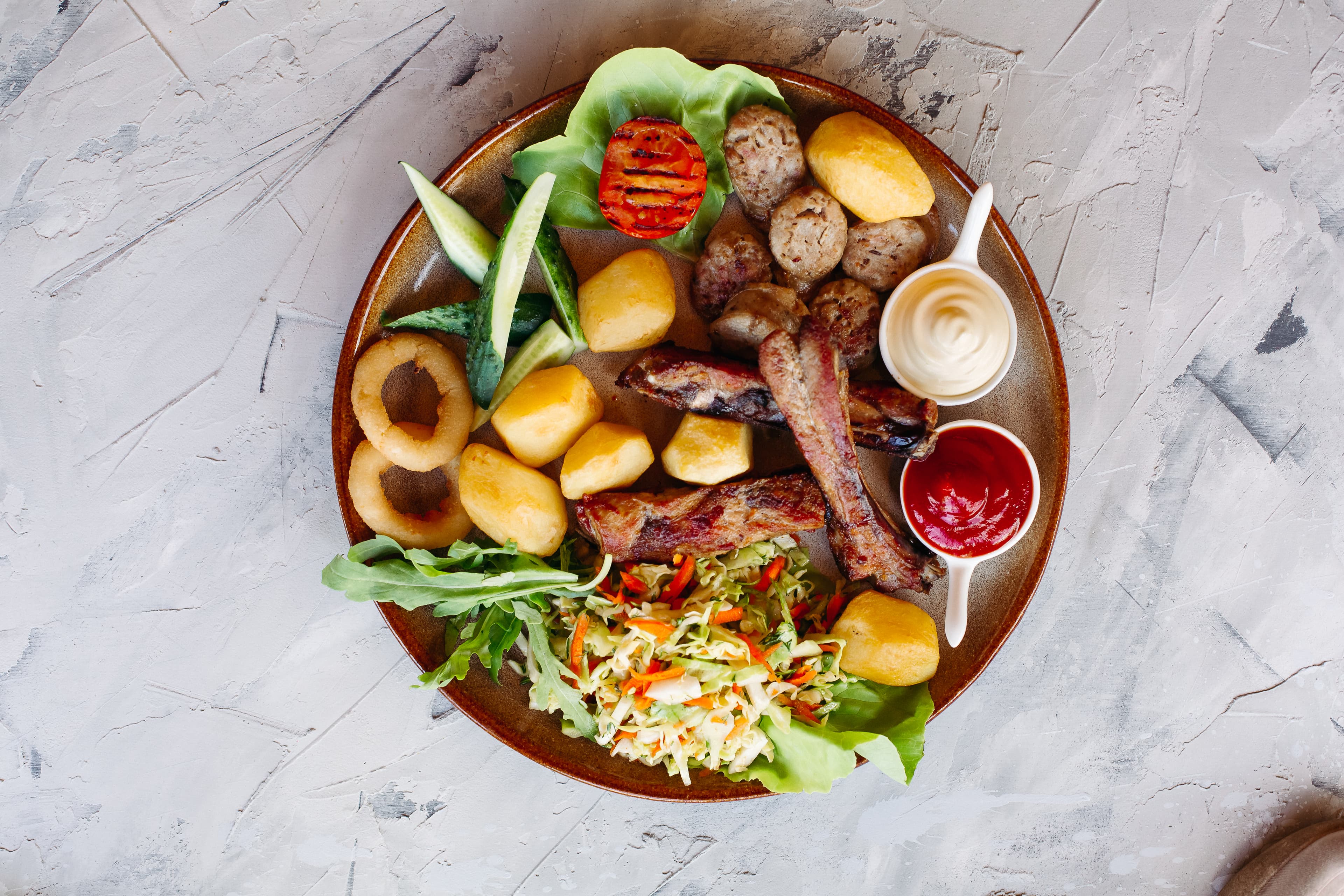
The Caprese Salad Skewers recipe was a triumph! I prepared them for a party's barbecue and everyone loved them. The basil was so aromatic, the mozzarella so fresh, and the skewers were the perfect size and an appropriate.
Michael Burns
July 1, 2023
Ad Slot: recipe_sidebar
Nutritional Info


Let’s Get
into Cooking!